
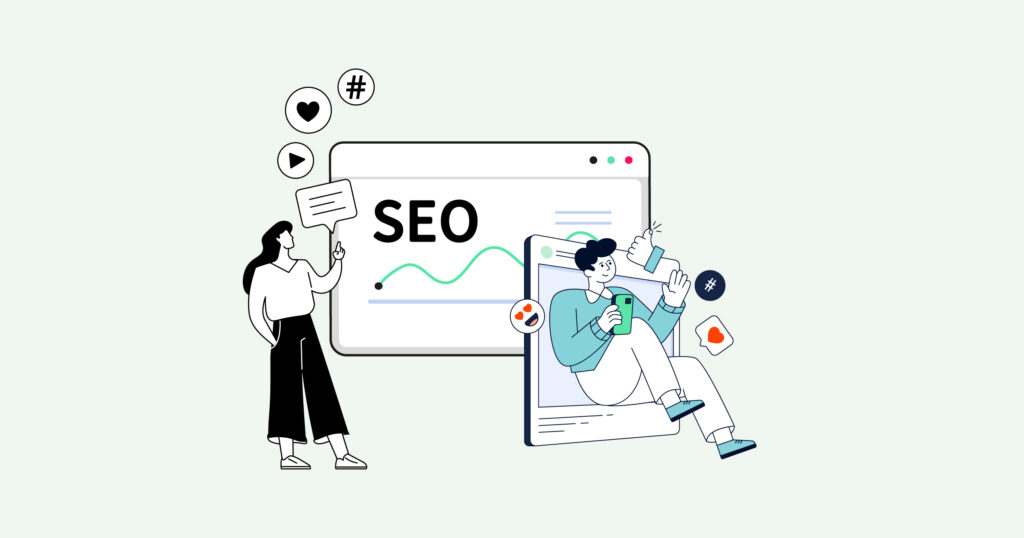
Businesses today are constantly looking for smarter ways to improve their online visibility and attract the right audience. One of the most effective yet often overlooked strategies is how to use social media for seo While social media platforms may not directly impact search engine rankings, they play a crucial role in increasing brand awareness, driving traffic, and improving engagement. When used strategically, social media can turn simple posts into powerful growth drivers for your business.
What is Social Media SEO?
Social media SEO refers to the process of optimizing your social media profiles and content to improve visibility both on social platforms and search engines. It involves using relevant keywords, creating shareable content, and enhancing engagement to support your overall search engine optimization efforts.
Unlike traditional SEO, which focuses on website optimization, social media SEO is centered around improving your presence on platforms like Instagram, LinkedIn, Facebook, and Twitter. The goal is to make your content easily discoverable when users search for topics related to your business.
Key elements of social media SEO include:
- Optimizing profiles with targeted keywords
- Using hashtags strategically
- Creating high-quality, engaging content
- Encouraging shares and interactions
- Driving traffic back to your website
When done correctly, social media SEO helps increase brand authority, improve content reach, and support your website’s ranking indirectly. It also strengthens your overall digital marketing strategy by connecting audience engagement with search visibility.
How is Social Media SEO Different from Traditional SEO?
While both strategies aim to improve visibility and attract an audience, social media SEO and traditional SEO operate in different environments and use different techniques.
1. Platform Focus
Traditional SEO focuses on optimizing websites for search engines like Google, whereas social media SEO is centered around platforms such as Instagram, LinkedIn, and Facebook.
2. Ranking Factors
Traditional SEO relies on factors like backlinks, site speed, technical optimization, and content quality. In contrast, social media SEO depends more on engagement metrics such as likes, shares, comments, and follower growth.
3. Content Lifespan
Content on websites can rank for months or even years. However, social media content typically has a shorter lifespan, gaining visibility quickly but fading faster unless it goes viral or is consistently reshared.
4. Search Intent
Traditional SEO targets users actively searching for information on search engines. Social media SEO often targets users who are browsing or discovering content passively through feeds and recommendations.
5. Traffic Generation
Traditional SEO brings organic traffic directly from search engines, while social media SEO drives traffic indirectly by encouraging users to click through to your website.
6. Speed of Results
SEO for websites usually takes time to show results, often weeks or months. Social media SEO can generate immediate visibility and engagement if the content resonates with the audience.
Understanding these differences helps businesses create a balanced strategy that leverages both approaches effectively.
Understanding the Connection Between Social Media and SEO
Before diving into tactics, it’s important to understand how social media complements SEO. Search engines like Google consider multiple factors when ranking websites, including content relevance, backlinks, and user engagement. Social media contributes indirectly by:
- Driving traffic to your website
- Increasing content visibility
- Enhancing brand credibility
- Generating backlinks through shares
When your content is shared widely, it reaches a larger audience, increasing the chances of earning natural backlinks—one of the most important ranking factors.
Optimizing Your Social Media Profiles
Your social media profiles are often the first point of contact for potential customers. Treat them like mini websites that represent your brand.
Key Optimization Tips:
- Use consistent brand name, logo, and messaging across platforms
- Include relevant keywords in your bio and descriptions
- Add your website link in profile sections
- Use high-quality images and banners
A well-optimized profile increases discoverability both on social platforms and search engines.
Creating High-Quality, Shareable Content
Content is the backbone of both SEO and social media. The more valuable and engaging your content is, the more likely it is to be shared.
What Works Best:
- Informative blog snippets
- Infographics and visual content
- Short videos and reels
- Industry tips and insights
Focus on solving problems and answering questions your audience is actively searching for. This approach naturally aligns with SEO goals.
Leveraging Keywords in Social Media
Just like website content, social media posts should also include keywords. This helps your content appear in platform searches and improves its relevance.
When planning your content, integrate your target keyword naturally. For example, using phrases like how to use social media for seo in captions or discussions can improve visibility and reinforce your content strategy.
However, avoid keyword stuffing—keep it natural and user-focused.
Building Strong Backlinks Through Social Sharing
One of the biggest SEO advantages of social media is its ability to generate backlinks.
How It Works:
- When your content is shared, bloggers and website owners may link back to it
- Viral content increases your chances of earning organic links
- Influencers can amplify your reach significantly
To maximize this, create content that is not only informative but also worth referencing.
Engaging with Your Audience
Engagement is a critical metric for both social media success and SEO impact. The more people interact with your content, the more visibility it gains.
Engagement Strategies:
- Respond to comments and messages promptly
- Ask questions in your posts
- Run polls and interactive content
- Encourage user-generated content
High engagement signals credibility and trust, which indirectly supports your SEO efforts.
Using Hashtags Strategically
Hashtags function like keywords on social media platforms. They help categorize your content and make it discoverable.
Best Practices:
- Use a mix of popular and niche hashtags
- Avoid overloading posts with too many hashtags
- Research trending hashtags in your industry
Strategic hashtag use ensures your content reaches the right audience.
Collaborating with Influencers and Brands
Partnerships can significantly boost your reach and SEO benefits.
Benefits of Collaboration:
- Access to a larger audience
- Increased credibility
- Higher chances of backlinks
Working with a Digital Marketing Company or influencers in your niche can amplify your social media strategy and improve your search visibility.
Driving Traffic to Your Website
Social media is an excellent channel for directing users to your website.
Effective Methods:
- Share blog posts regularly
- Use compelling CTAs (Call-to-Actions)
- Add links in stories and bios
- Promote landing pages and offers
The more traffic your website receives, the stronger its authority becomes in the eyes of search engines.
Analyzing and Improving Performance
Tracking performance is essential to understand what works and what doesn’t.
Metrics to Monitor:
- Engagement rate
- Click-through rate (CTR)
- Traffic from social media
- Conversion rate
Use analytics tools to refine your strategy and continuously improve your results. Understanding data helps you better implement how to use social media for seo in a results-driven way.
Consistency is Key
Posting consistently keeps your audience engaged and signals reliability to both users and search engines.
Tips for Consistency:
- Create a content calendar
- Schedule posts in advance
- Maintain a regular posting frequency
Consistency builds trust, which is essential for long-term SEO success.
Repurposing Content for Maximum Impact
Repurposing allows you to get more value from your existing content.
Examples:
- Turn blog posts into social media snippets
- Convert articles into videos or infographics
- Share old content with updated insights
This approach not only saves time but also reinforces your keyword strategy, including topics like how to use social media for seo across multiple platforms.
Conclusion
Social media is no longer just a platform for engagement—it’s a powerful tool for enhancing your SEO strategy. By optimizing profiles, creating valuable content, engaging with your audience, and driving traffic, businesses can unlock significant growth opportunities.
Understanding how to use social media for seo is essential for turning online presence into measurable results. With the right approach, your social media efforts can go beyond likes and shares, contributing directly to your website’s visibility and profitability.
At Wildnet Technologies, we specialize in delivering result-driven SEO services and helping businesses understand how to use social media effectively for sustainable growth and higher search rankings.
FAQs
1. What is social media SEO and why is it important?
Social media SEO is the process of optimizing your social media profiles and content to increase visibility and drive traffic. It is important because it helps improve brand awareness, engagement, and indirectly supports search engine rankings.
2. How does social media help in improving SEO performance?
Social media helps SEO by driving website traffic, increasing content reach, and generating backlinks through shares and mentions, which are key ranking factors.
3. Which social media platforms are best for SEO?
Platforms like Instagram, LinkedIn, Facebook, and Twitter are effective for SEO, depending on your target audience and industry.
4. How often should I post on social media for better SEO results?
Posting consistently—around 3 to 5 times per week—helps maintain engagement and improves your chances of driving traffic and visibility.
5. What type of content works best for social media SEO?
High-quality, informative, and engaging content such as videos, infographics, blog snippets, and industry tips performs best and is more likely to be shared.
Read More
- How to get social media followers organically?: Sustainable Growth Playbook
- What is social media advertising?: Complete Guide
- SEO Services for AI-powered discovery: Why Your Business Needs Them Now
- SEO Services for AI-driven platforms: Future-Proof Your Brand Visibility
- How to handle social media burnout?